
When Should an F-1 International Student Start Thinking About EB-5?

Using gifted funds for an EB-5 investment? Learn how USCIS evaluates gift documentation, lawful source of funds, donor evidence, fund transfers, and common mistakes that can lead to RFEs or petition denials.
Unable to make the EB-5 Grandfathering Deadline? There Is Still Another ImportantDeadline in 2026

Using gifted funds for an EB-5 investment? Learn how USCIS evaluates gift documentation, lawful source of funds, donor evidence, fund transfers, and common mistakes that can lead to RFEs or petition denials.
Using Gifted Funds for an EB-5 Investment: What Should Investors Know?

Using gifted funds for an EB-5 investment? Learn how USCIS evaluates gift documentation, lawful source of funds, donor evidence, fund transfers, and common mistakes that can lead to RFEs or petition denials.
Three Tips for EB-5 Investors Looking to File Before the September 30 Grandfathering Deadline

Planning to file your EB-5 petition before the September 30, 2026 grandfathering deadline? Learn three essential steps investors should take, from preparing source of funds documentation to selecting the right project and assembling an experienced advisory team.
Why it is a Good Time For EB-5 Hospitality Projects

Discover why hospitality is becoming an increasingly attractive EB-5 investment sector as strong travel demand, limited hotel supply, rising room rates, and the growth of extended-stay lodging create favorable conditions for new hotel developments.
Understanding the Benefits of Segregated Profits Accounts in EB-5

Learn how segregated profits accounts can strengthen EB-5 repayment structures by preserving project cash flow, improving transparency, reducing refinance risk, and aligning investor and sponsor interests.
USCIS Increasingly Scrutinizing Partial Funding in I-526E Petitions: What EB-5 Investors Need to Know

USCIS is increasingly scrutinizing partial funding strategies in EB-5 I-526E petitions as the 2026 grandfathering deadline approaches. Learn the risks, trends, and best practices investors should understand before filing.
Post H-1B Lottery Takeaways: Who Should Consider EB-5?

The new wage-based H-1B lottery is reshaping immigration outcomes. Discover who is most impacted—and why EB-5 may offer a more reliable path to U.S. permanent residency.
The Strategic Value of Dual-Category EB-5 Projects
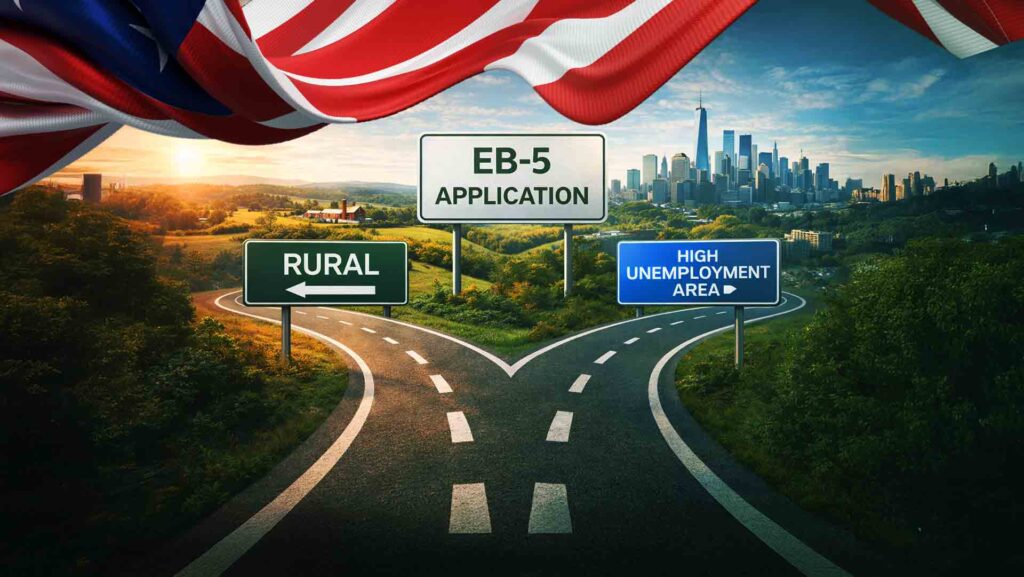
Dual-category EB-5 projects can offer strategic flexibility at filing. Learn how rural and HUA eligibility impacts visa timelines—and why choosing the right category is critical.
Understanding K-1 Tax Forms and What They Mean for EB-5 Investors

Confused by Schedule K-1 forms? Learn how EB-5 investors are taxed, what “phantom income” means, and how tax residency impacts your U.S. filing obligations.