
A New Shadow Over Concurrent Processing: What USCIS’s Latest Policy Memo Means for EB-5 Investors

USCIS’s new policy memo treating Adjustment of Status as “extraordinary relief” may create major uncertainty for EB-5 concurrent filing investors. Here’s what the policy means, why EB-5 cases may be legally distinct, and how the industry is responding.
USCIS Increasingly Scrutinizing Partial Funding in I-526E Petitions: What EB-5 Investors Need to Know

USCIS is increasingly scrutinizing partial funding strategies in EB-5 I-526E petitions as the 2026 grandfathering deadline approaches. Learn the risks, trends, and best practices investors should understand before filing.
Are USCIS Adjudicators Going Straight to Denials on I-526E Petitions?

Concerns are rising that USCIS is issuing direct denials on I-526E petitions without RFEs or NOIDs. Learn why source-of-funds documentation has become more critical than ever in EB-5 adjudications.
Takeaways From the IIUSA Industry Forum

Key insights from the IIUSA Industry Forum highlight EB-5 reauthorization urgency, rising approval rates, rural retrogression risks, and what investors should watch heading into 2026.
Understanding Regulation D and Its Role in EB-5 Offerings

Regulation D is the backbone of EB-5 securities offerings. Learn how Rules 506(b) and 506(c) shape capital raising, investor eligibility, and compliance in EB-5 projects.
Post H-1B Lottery Takeaways: Who Should Consider EB-5?

The new wage-based H-1B lottery is reshaping immigration outcomes. Discover who is most impacted—and why EB-5 may offer a more reliable path to U.S. permanent residency.
The Strategic Value of Dual-Category EB-5 Projects
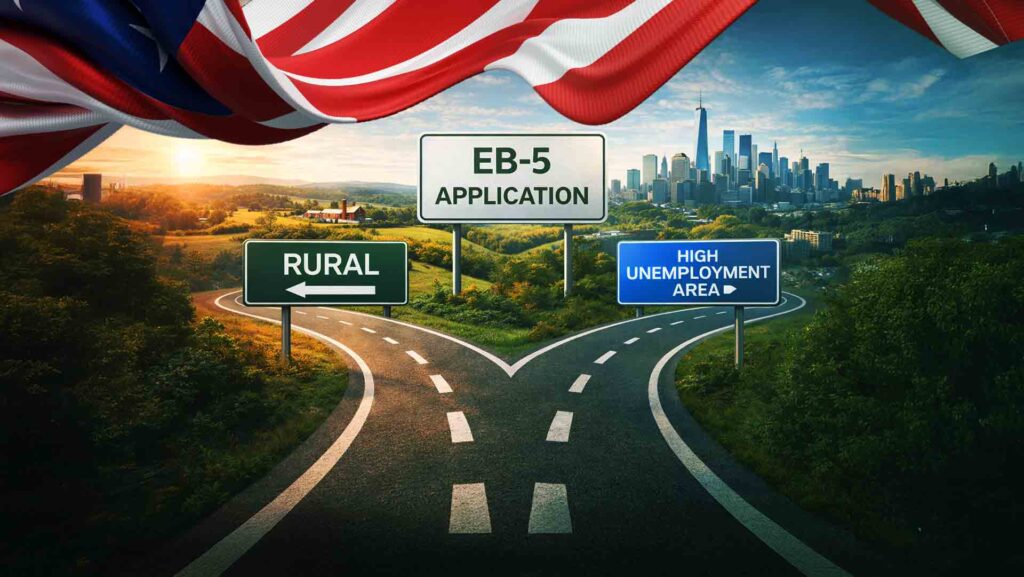
Dual-category EB-5 projects can offer strategic flexibility at filing. Learn how rural and HUA eligibility impacts visa timelines—and why choosing the right category is critical.
The EB-5 Sustainment Period: What Investors Need to Know

Confused about the EB-5 sustainment period? Learn how the 2022 Reform and Integrity Act changed the rules, when the clock starts, and what it means for your investment timeline.
Understanding K-1 Tax Forms and What They Mean for EB-5 Investors

Confused by Schedule K-1 forms? Learn how EB-5 investors are taxed, what “phantom income” means, and how tax residency impacts your U.S. filing obligations.
How Local Government Tax Incentives Can Strengthen EB-5 Real Estate Projects

Local tax incentives like TIFs, abatements, and PILOT agreements can strengthen EB-5 real estate projects by improving financial stability, reducing early operating costs, and supporting job creation.