
USCIS Increasingly Scrutinizing Partial Funding in I-526E Petitions: What EB-5 Investors Need to Know

USCIS is increasingly scrutinizing partial funding strategies in EB-5 I-526E petitions as the 2026 grandfathering deadline approaches. Learn the risks, trends, and best practices investors should understand before filing.
Are USCIS Adjudicators Going Straight to Denials on I-526E Petitions?
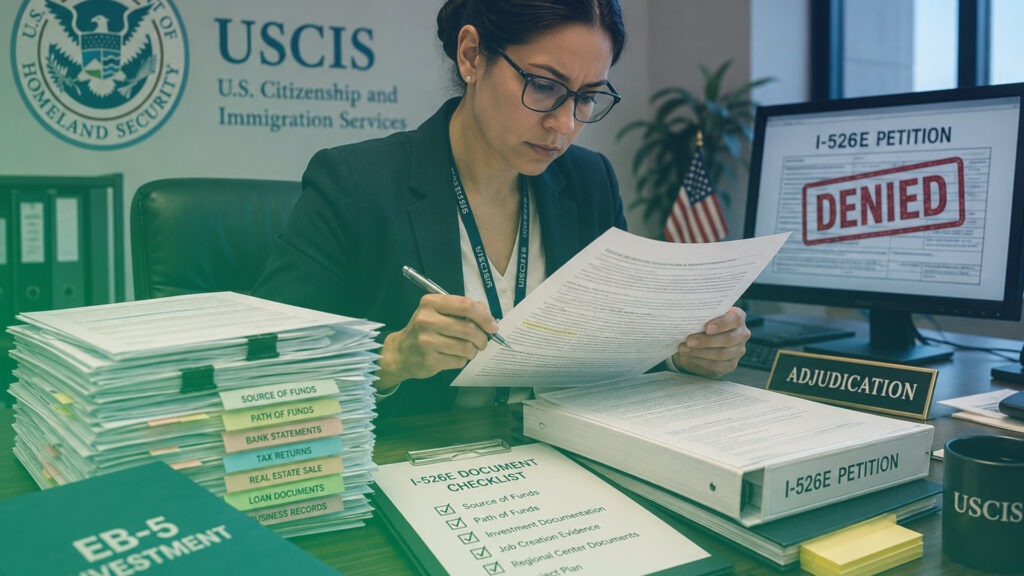
Concerns are rising that USCIS is issuing direct denials on I-526E petitions without RFEs or NOIDs. Learn why source-of-funds documentation has become more critical than ever in EB-5 adjudications.
Three Steps to Help Avoid Source of Funds RFEs
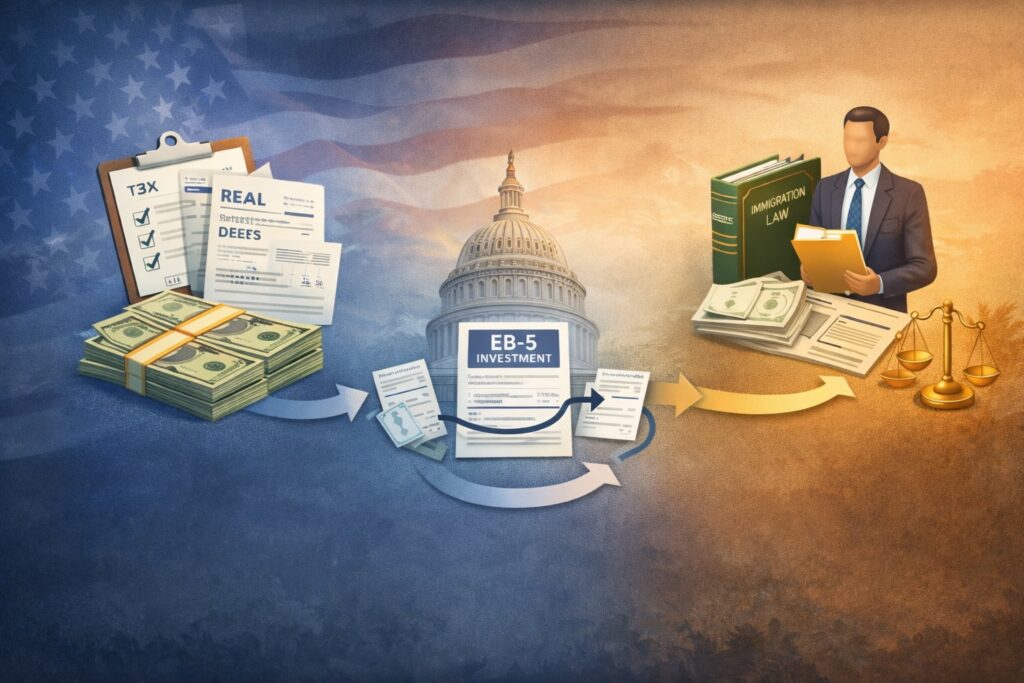
Avoid EB-5 source of funds RFEs with these three key steps: use clear funding sources, document all fund transfers, and prepare a consistent legal narrative with experienced counsel.
WHAT EB-5 INVESTORS NEED TO KNOW ABOUT THE NEW SOCIAL MEDIA VETTING PROCESS

As of 2025, EB-5 investors must now undergo enhanced social media vetting as part of the immigration process. Learn what USCIS looks for in online profiles, the risks of inconsistencies, and how to prepare your digital presence to avoid delays or denials in your EB-5 petition.
UNDERSTANDING POTENTIAL SOURCE OF FUNDS CHALLENGES FOR INDIAN EB-5 INVESTORS

Indian EB-5 investors face unique challenges when it comes to proving the lawful source of their investment funds. From limited documentation and complex financial systems to strict remittance regulations under FEMA, these hurdles can complicate the EB-5 process. This blog explores the key issues Indian investors may encounter and offers practical steps—such as working with experienced immigration attorneys and financial experts—to overcome source of funds challenges and strengthen their EB-5 petition.