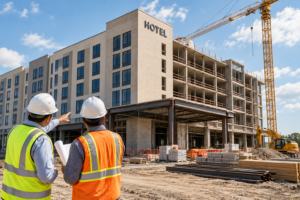
Rural EB-5 projects have never been more popular. With quicker I-526E processing times and 20% of EB-5 visas reserved for investors in rural projects, it is not hard to see why demand is so high.
However, selecting a project simply because it is rural could have disastrous consequences. As with any EB-5 investment, a rural project that does not perform as predicted may lead to investors not receiving their permanent green cards or return of their capital investment.
To best avoid undesirable results, EB-5 investors may want to consider the following items when performing due diligence on a rural project:
Strength of the Project Sponsor
The experience, financial capacity, and track record of the project sponsor are foundational to any EB-5 investment, particularly in rural markets where margin for error can be smaller. Investors should look for sponsors with a history of successfully completing comparable developments, navigating construction and operational challenges, and repaying investor capital.
A strong sponsor will provide meaningful equity to the project, maintains transparent reporting practices, and demonstrates alignment of interests with EB-5 investors. In rural settings, local market knowledge and established relationships with contractors, lenders, and community stakeholders can be especially valuable.
Strong Demand Drivers for Project Success
Rural projects must be supported by clear and durable demand drivers that justify the underlying business assumptions. Whether the project is in hospitality, manufacturing, or another sector, investors should understand why customers will consistently use the product or service being offered.
Strong demand drivers may include unique geographic advantages, limited local competition, tourism or recreational appeal, or long-term contracts with reputable partners. Projects that rely on speculative or unproven demand assumptions require closer examination, as sustained revenue generation is critical for repayment.
Capital Stack Protection and Investor Security
The EB-5 investor’s position within the project’s capital stack is a critical risk factor. When EB-5 capital is deployed in a senior loan position, full collateralization, such as a first-priority lien on all of the real estate and project assets, can provide a higher level of downside protection. If EB-5 funds are in a subordinate position, investors should look for additional safeguards, including strong personal or corporate guarantees from financially capable sponsors. Clear documentation outlining the balance sheets of guarantors, remedies and enforcement rights is essential to understanding how investor capital is protected if the project underperforms.
Importance of Community Support and Local Alignment
Community support plays a critical role in the success of rural EB-5 projects. Projects that are embraced by local governments, economic development agencies, and residents are more likely to progress smoothly through permitting, zoning, and construction. Evidence of community alignment may include letters of support, tax incentives, infrastructure commitments, or public-private partnerships. Local buy-in can also reduce political and operational risk, helping ensure long-term project viability. In rural areas, where projects often have an outsized economic impact, strong community support can be a meaningful indicator of sustainability and long-term success.
A Clear and Realistic Path to Exit
Finally, investors should evaluate how and when EB-5 capital is expected to be repaid. A credible exit strategy may involve refinancing, asset sale, or cash flow repayment, but it must be grounded in realistic assumptions. In many cases, smaller and mid-sized rural projects can offer clearer exit paths than large, complex developments, as they may be easier to refinance or sell once stabilized. Investors should assess whether projected timelines align with market conditions and whether the sponsor has demonstrated the ability to execute similar exits in the past.